...for the Library or Classroom
As a teacher librarian my goal is to open up new worlds for my students to explore. I usually use books to introduce them to different types of people, parts of the world or new information, but, what if there was a way for them to get excited about new places or concepts? And what if they then used that excitement to spark their curiosity for research??
Augmented Reality (AR) and Virtual Reality (VR) is a way for our students to interact with their present and virtual environment. As a librarian in a Title I school, my students have had few experiences with far away places. Furthermore, many of my students are kinesthetic learners and need hands-on experiences to truly "get" new concepts. Finding an accessible, effective, affordable AR tool for them will give them this exposure and may even help get them excited for learning.
The Tool:
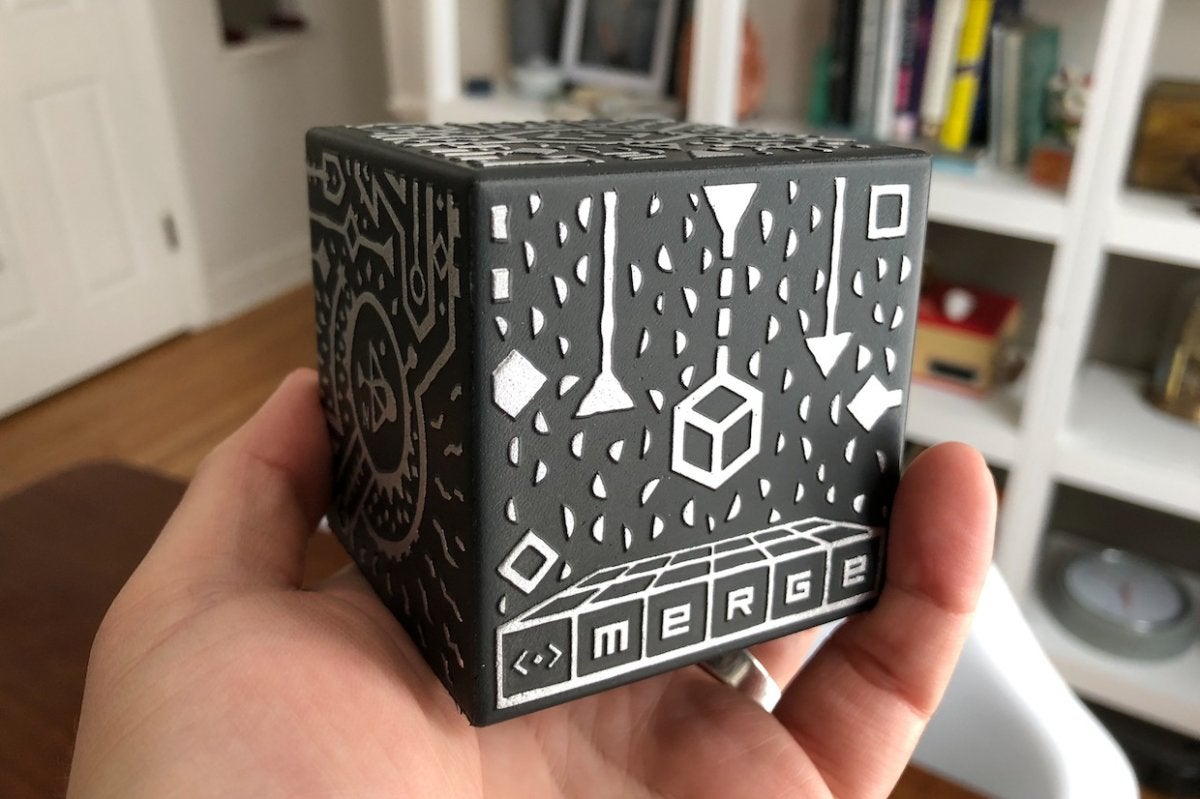
The Merge cube is used in conjunction with apps (iOS or Android) that allow the user to manipulate the cube and interact with a 3-D image of a variety of objects.
iPad Implementation:
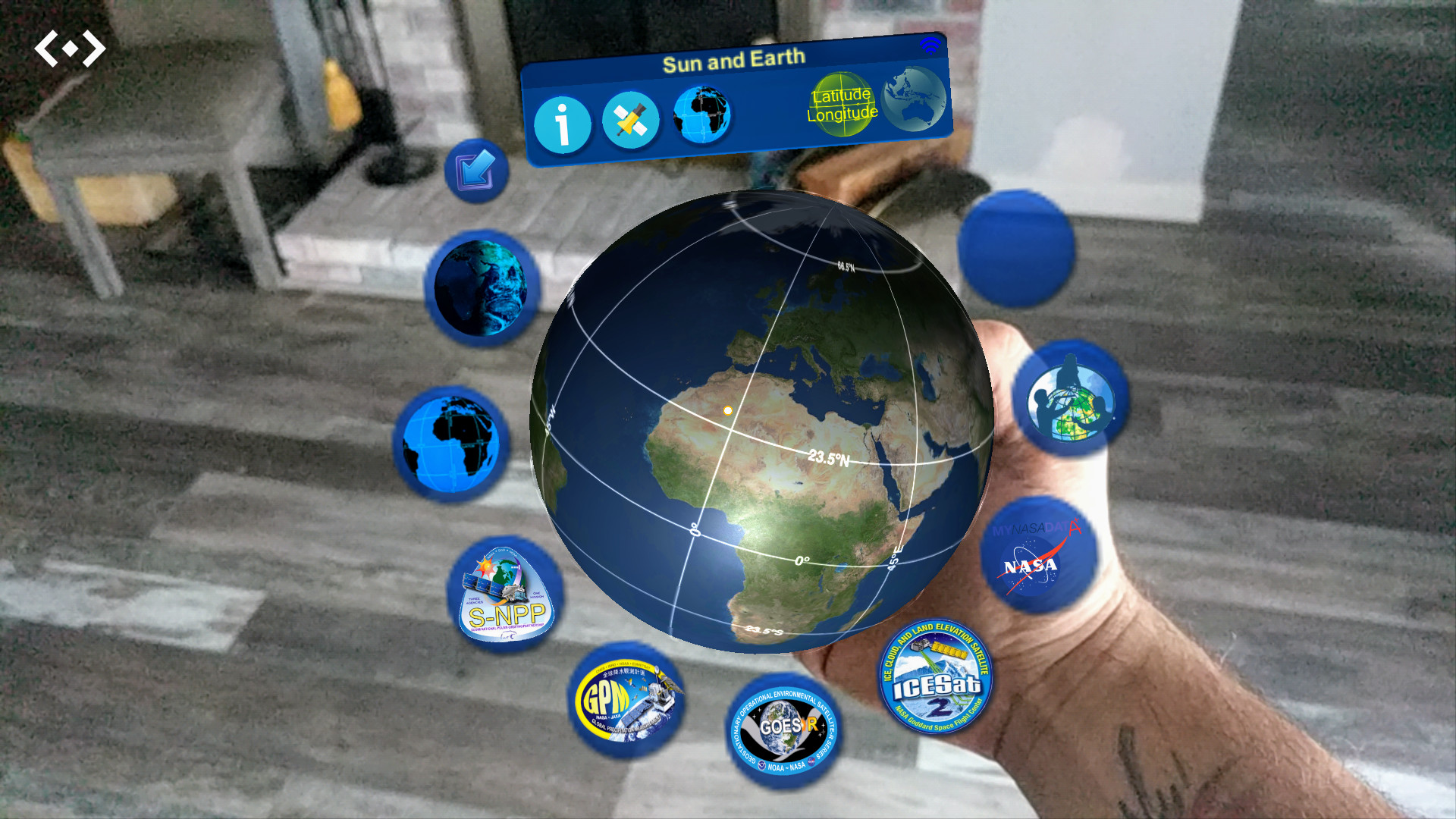
Merge offers a line of apps where students can learn about the human body, space, fossils, layers of the earth and ancient cities and towns.
- Teacher: pick a topic and select a non-fiction book to read aloud. A paired-text reading could also be done with fiction and non-fiction
- Students launch the app as directed by their teacher librarian.
- Stand the iPad up so the student has use of both hands.
- Hold the MERGE cube with both hands and manipulate it as needed to experience the app.
- Students can do a 30 second screen recording to respond to a prompt as directed by their teacher.
Other Links for Merge Cube:
- VR Scout: How Merge is Building an XR Ecosystem for Kids
- Merge Health & Safety Information
- Merge Privacy Policy and Terms of Service
- @MsJWhiting: Why Merge Cubes are only a $1 at Walmart
- Compatible Devices for Merge Cube
- YouTube video: IT WORKED: Merge Cube AR for the Classroom!
- Wired: How Augmented Reality is Shaping the Future of Play
- YouTube video: Make Your Own Giant MERGE Cube!
- Getting Started with Merge Cube Guide by Tricia Louis
- Is your mobile device AR & VR ready? Test it! https://vrtest.ninja